
When it comes to email deliverability, one of the most critical elements to configure correctly is your DNS records, specifically the Sender Policy Framework (SPF). For businesses using email marketing platforms like Klaviyo, SPF is often managed through a CNAME record on a subdomain. However, this setup often leads to questions about whether you should also configure an SPF record at the root level of your domain. In this blog, we’ll dive into SPF best practices and how to ensure optimal email deliverability.
What is SPF and Why is It Important?
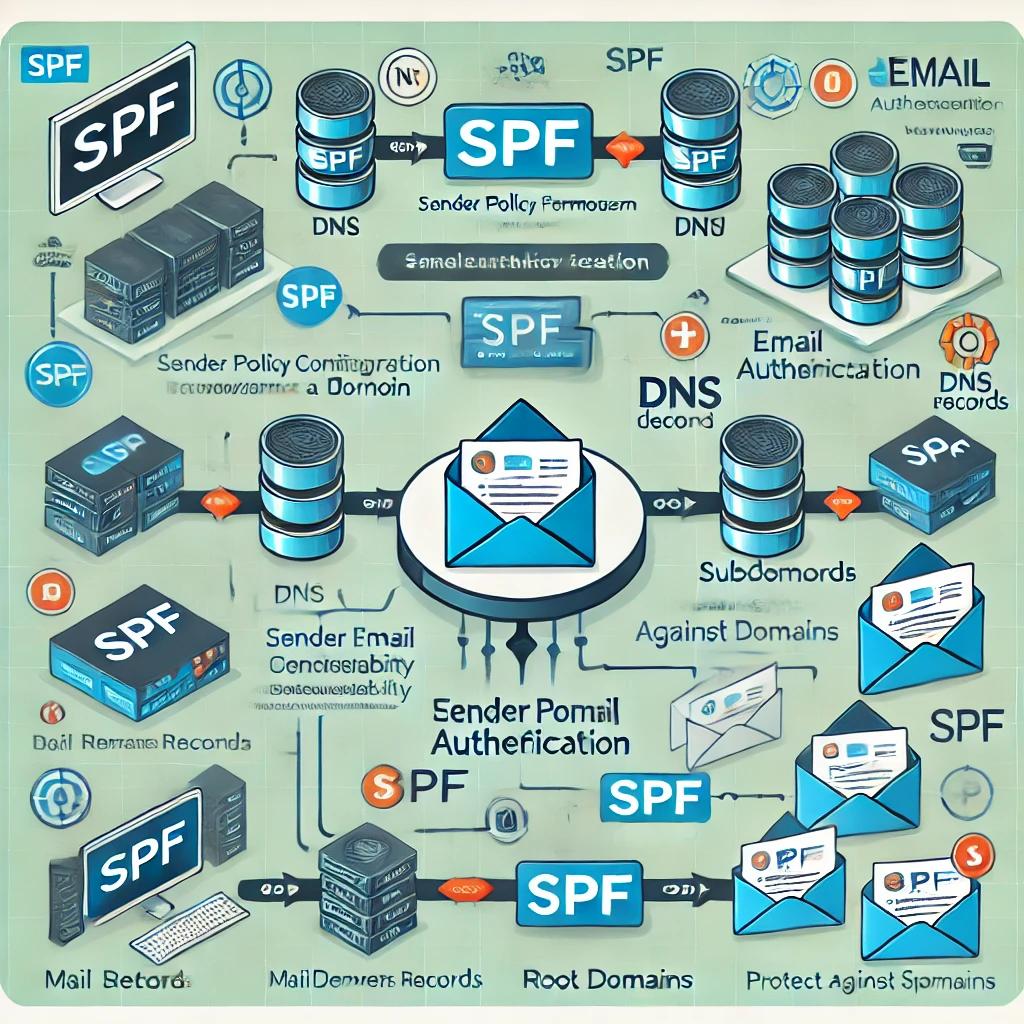
Sender Policy Framework (SPF) is an essential email authentication protocol designed to prevent email spoofing. It allows domain owners to specify which mail servers can send emails on behalf of their domain. When an email is sent, the receiving mail server checks the SPF record to verify that the email comes from an authorized source. A properly configured SPF record not only protects your domain from being spoofed but also boosts email deliverability by reducing the chances of your emails being marked as spam.
SPF Configuration in Klaviyo
Klaviyo, like many email service providers (ESPs), handles SPF authentication via a CNAME record linked to a subdomain. This approach simplifies email authentication, as it automatically configures the SPF for emails sent from the subdomain managed by Klaviyo.
However, this setup typically applies only to emails sent from that specific subdomain (e.g., marketing.yourdomain.com). If you’re sending emails from other services or from your primary domain, you need a more comprehensive SPF configuration to ensure that all your emails pass SPF checks.
Should You Set Up an SPF Record at the Root Level?
When it comes to ensuring strong email deliverability and authentication, it’s important to evaluate the role of domain-level SPF configuration. Here are the key considerations:
Domain-Level SPF Configuration
Best Practice: Always set up an SPF record at the root level of your domain. This ensures that all outgoing emails, regardless of the service or subdomain used, are properly authenticated. This is especially crucial if your domain sends emails from multiple sources like Klaviyo, internal servers, or other ESPs.
Necessity: Without a root-level SPF record, emails sent directly from your domain (outside of subdomains managed by Klaviyo) could fail SPF checks. This failure can result in your emails being flagged as spam or outright rejected by recipient servers.
Subdomain SPF Configuration
For Klaviyo users, the platform manages SPF for a specific subdomain through a CNAME record. For example, Klaviyo’s SPF setup may authenticate emails sent from a subdomain like marketing.yourdomain.com. However, this configuration doesn’t extend to your primary domain or emails sent from other services.
Best Practice: Even if Klaviyo manages SPF for a subdomain, you should still configure a root-level SPF record to cover the rest of your domain’s email activities. This ensures that all email communications, not just those sent via Klaviyo, are authenticated properly.
How to Consolidate SPF Records for Effective Email Authentication
If you’re working with multiple email service providers or sending email from various subdomains, consolidating all authorized sending sources into a single SPF record is a smart move. Here’s how you can do it:
Practical Example of SPF Consolidation:
You can consolidate your SPF records by including multiple authorized sources in a single SPF record at the root level of your domain. For instance:
v=spf1 include:_spf.yourdomain.com include:spf.klaviyomail.com ~all
This configuration authorizes emails sent from both your domain’s mail servers and Klaviyo’s, ensuring they pass SPF checks.
Avoiding SPF Lookup Limits:
Be mindful of SPF’s 10 DNS lookup limit. If you include too many “include” statements or reference too many domains, it can exceed this limit and cause your SPF authentication to fail. To avoid this, directly list IP addresses where possible, or use subdomains efficiently to stay within the limit.
How SPF Impacts Email Deliverability
Email Deliverability:
A correctly configured SPF record significantly boosts email deliverability. Without an SPF record at the root level, emails sent directly from your domain (not covered by Klaviyo’s subdomain SPF) are more likely to fail SPF checks. This failure increases the chances of your emails landing in the spam folder or being rejected entirely by recipient servers.
Brand Reputation Protection:
A root-level SPF record not only helps with deliverability but also protects your domain’s email reputation. It ensures that all outgoing emails, whether sent from subdomains or your main domain, are properly authenticated and trusted by receiving mail servers. This protection is crucial in preventing spoofing attacks that can damage your brand’s credibility.
Conclusion: SPF as a Vital Tool for Strong Email Authentication
Although Klaviyo simplifies SPF management for subdomains, setting up an SPF record at the root level of your domain is a crucial best practice. It ensures that all email traffic from your domain, regardless of the source, is properly authenticated. This improves email deliverability, strengthens your brand’s email reputation, and protects against spoofing.
To optimize your Sender Policy Framework, make sure to consolidate all authorized sending sources into a single SPF record and monitor for DNS lookup limits. This proactive approach ensures seamless email authentication, better inbox placement, and enhanced security across all email platforms.
By following these SPF best practices, you can ensure that your emails are trusted and that your domain’s reputation remains intact.and deliverability.